Wired & Vogue iPad
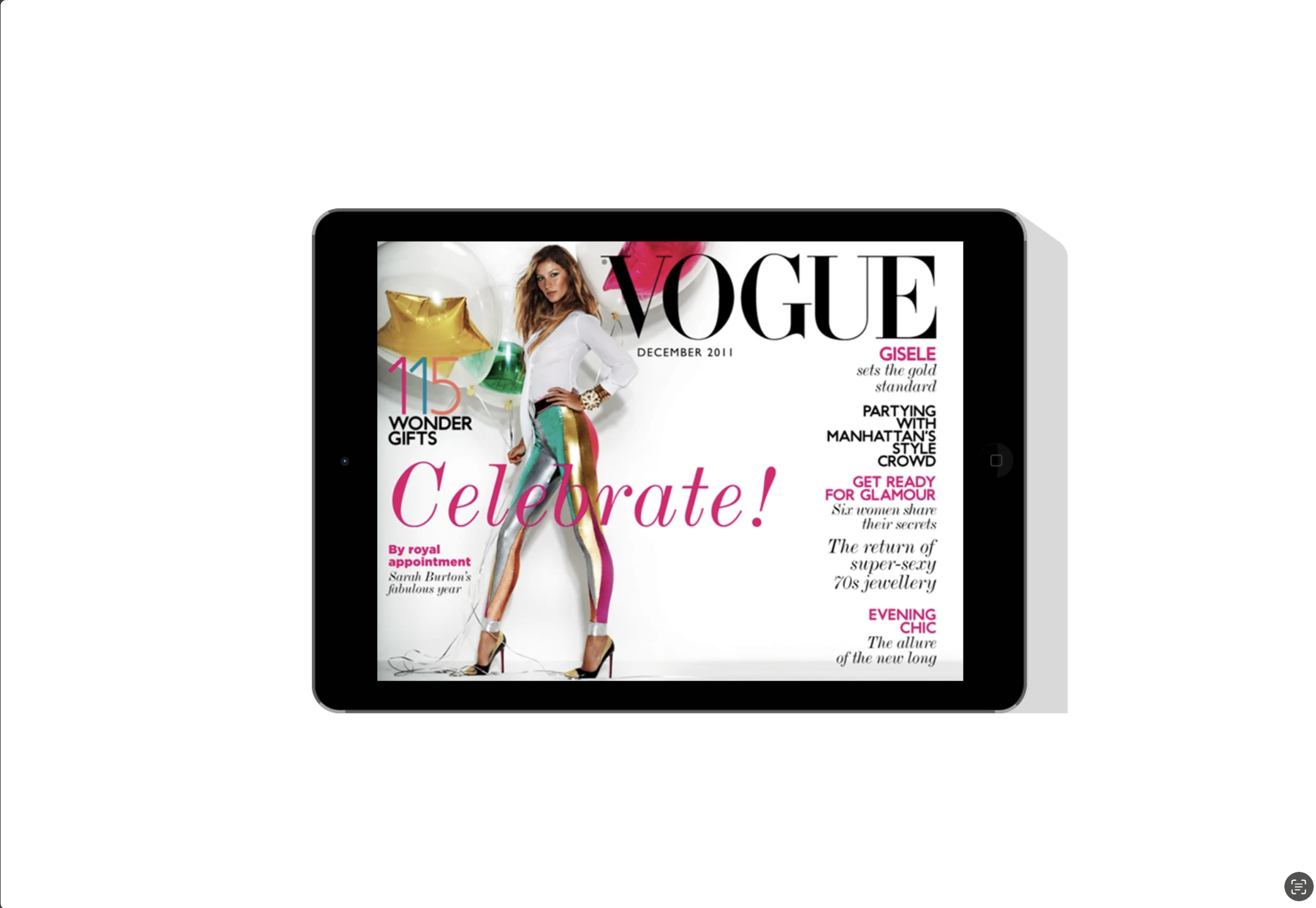
Two DMA award-winning iPad editions — the UK's first digital magazines, built from scratch in collaboration with Apple and Adobe.
- Role
- Designer, Wired UK (2010–2011); Lead Designer, Vogue iPad (2011–2012)
- Team
- Creative directors, editors, Condé Nast leadership; 3 designers (Vogue)
- Scope
- 0→1 design and production of interactive iPad editions for two flagship Condé Nast titles
No playbook
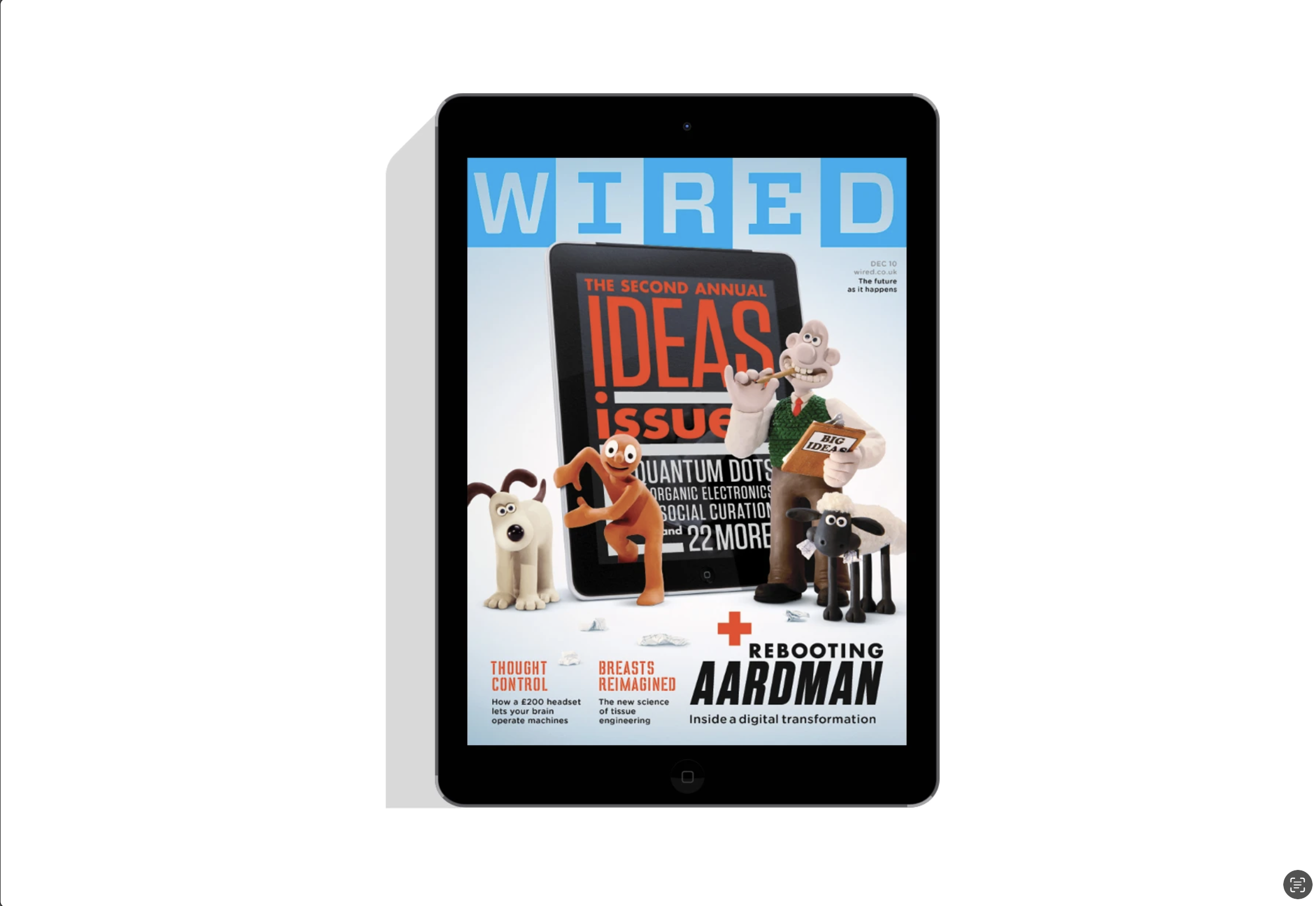
The iPad launched in April 2010. Six months later, Wired UK became the first magazine in the UK to ship a native iPad edition. No design conventions, no tools built for the job, no one to learn from.
The only available path was Adobe Digital Publishing Suite — a beta tool that had never been used in production in the UK. We were its first real test case, and for a period we were the only team in the country using it.
Building the workflow from nothing
DPS was in beta — I was feeding back to Adobe weekly, and they were iterating. No one else in the UK knew the tool. We figured it out by doing it.
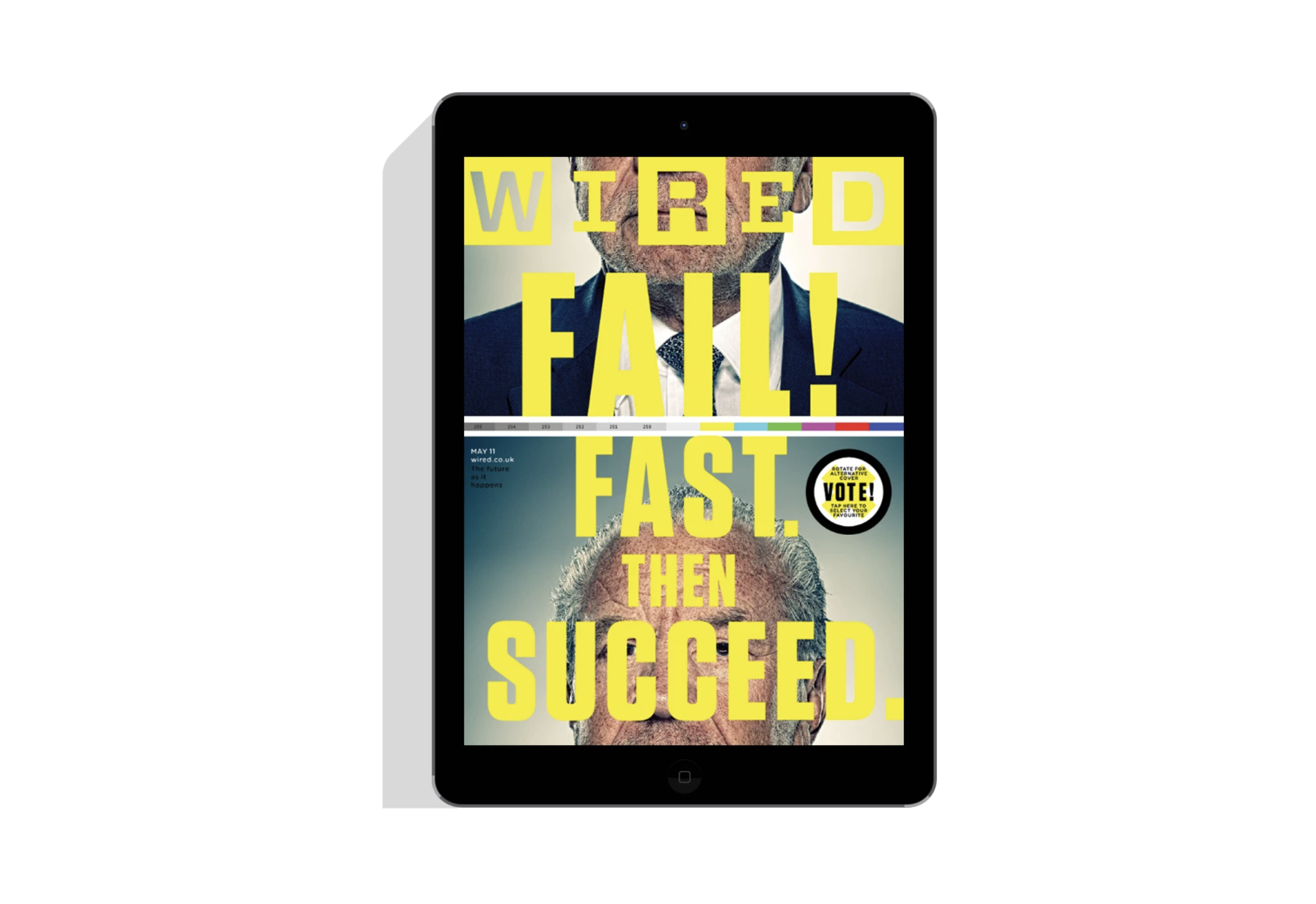
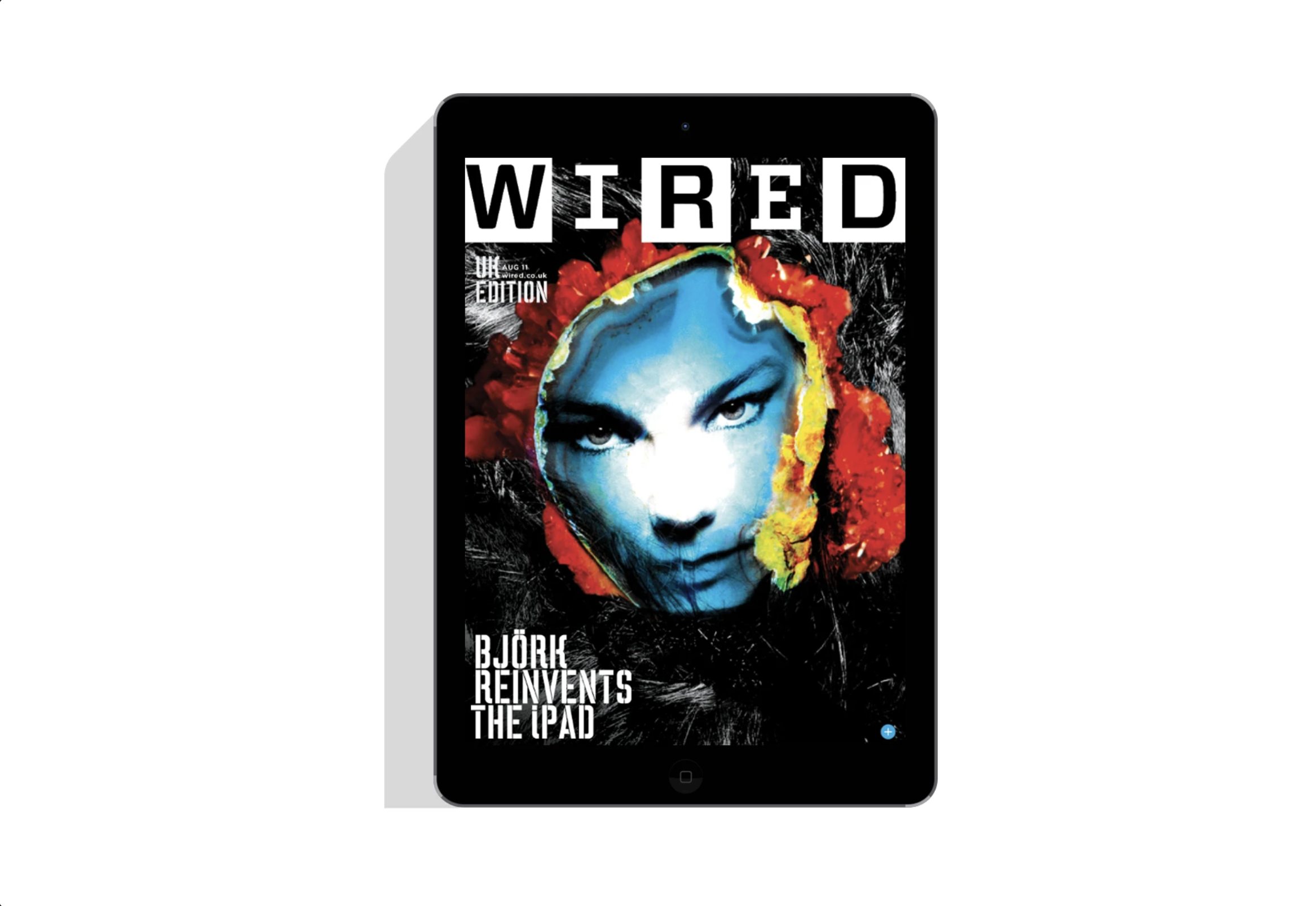
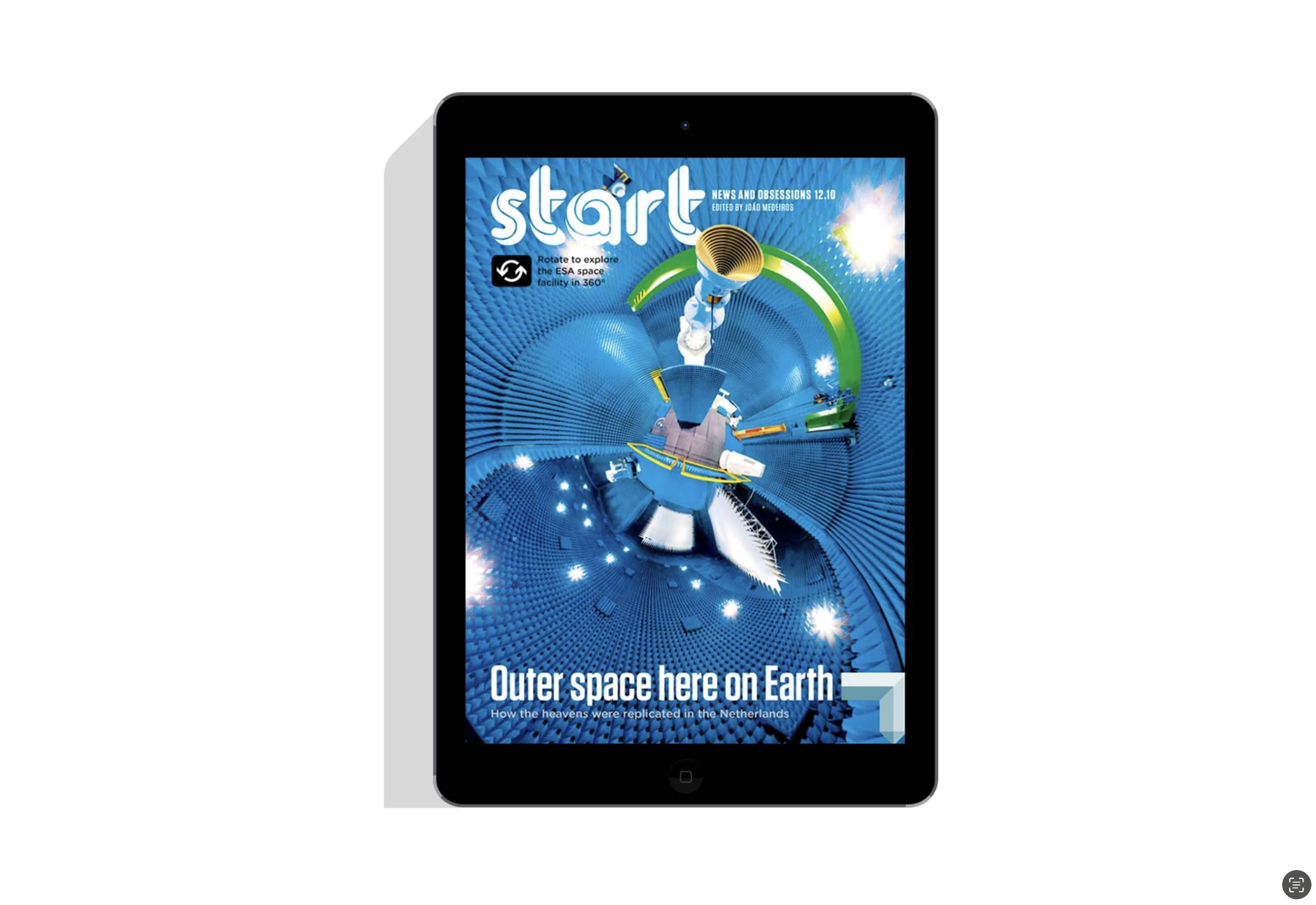
What we built: magazines with animated covers, embedded video, image slideshows, GIFs, and gesture-driven navigation. Each issue was designed and bundled ourselves — compiling each edition like a software release. Working directly with Apple, we secured placement on the App Store homepage at launch.
The decisions that defined the format
The hardest design problems weren't the layouts — they were interaction conventions nobody had established yet.
Portrait or landscape? Wired launched supporting both orientations, every layout designed twice. The production overhead was unsustainable and the experience felt inconsistent. I made the call to go portrait-only — a single considered orientation over two compromised ones.
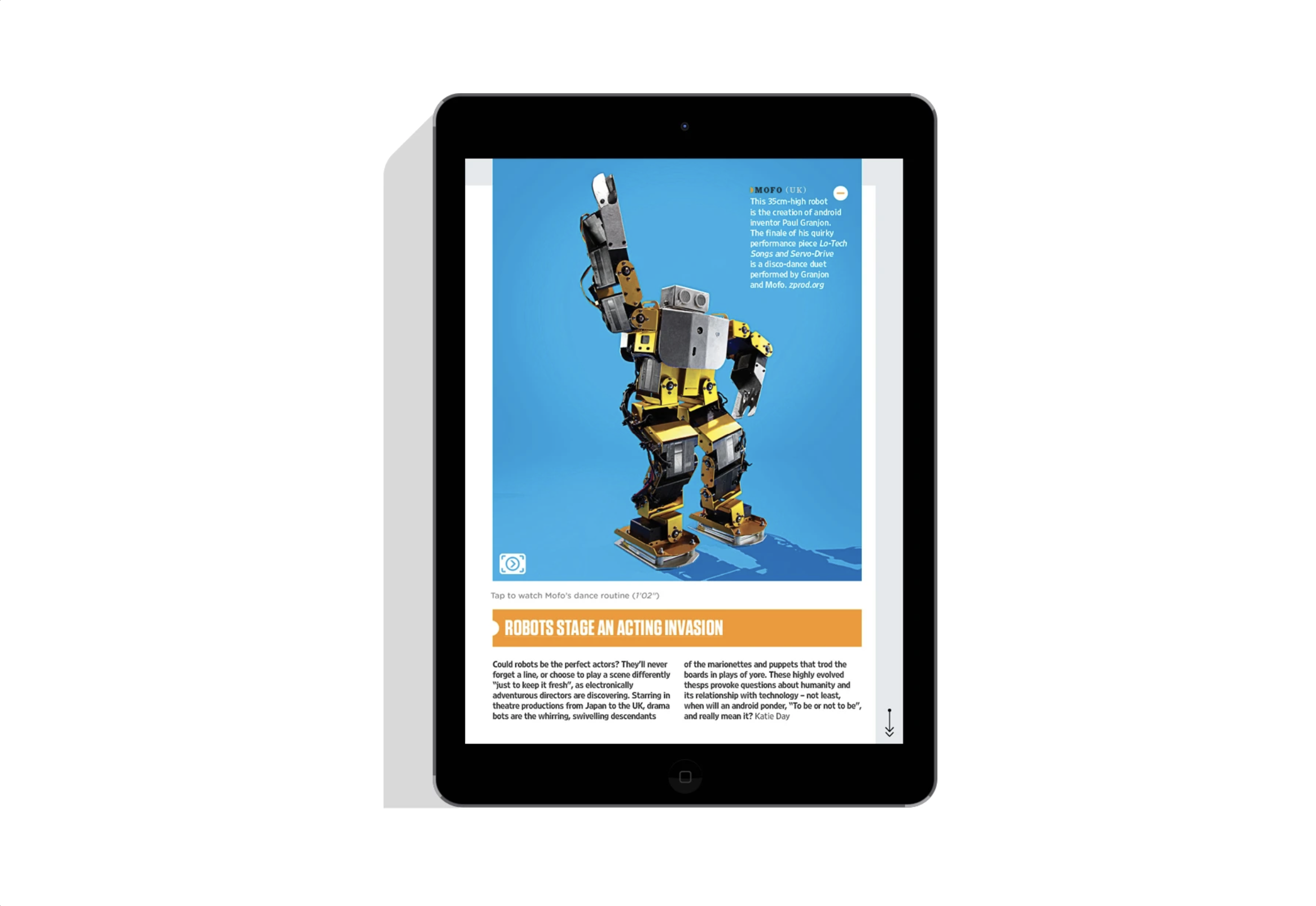
How does a magazine navigate? Print readers turned pages. Web readers scrolled. The iPad was neither. We designed navigation signifiers from scratch — visual cues to swipe down through an article, across between sections, into interactive content. Tested, adjusted, tested again.
Single column, not double. Wired launched with double-column layouts — the print convention carried directly across. A few issues in, the problems were clear: screen dimensions were smaller than print, and double-column fights reading direction on a touchscreen. When I moved to Vogue I went single-column, reading downwards. The right decision, and it shows in both videos.
Vogue — leading from expertise
When I moved to Vogue, I was the only person at Condé Nast who had shipped an iPad magazine. I built a team of 3 designers, taught them the DPS workflow from scratch, and set the design direction as Lead Designer.
For Vogue I went landscape — fashion photography and editorial video are horizontal, and full-screen video played better in widescreen. I worked with the Creative Director, Editor, and Condé Nast's head of digital, presenting and defending design decisions at each stage — and edited the promotional videos myself.
Impact
DMA 2011: Wired won Best Overall Digital Magazine and Best Technology Magazine; Vogue won Best Fashion Magazine
Finalist, Digital Designer of the Year across both titles.
UK's first native iPad magazines
featured on the App Store homepage at launch, negotiated directly with Apple, ~2,000 downloads per month.
National press coverage and outdoor advertising
the Vogue promotional video ran on the London Underground and at Liverpool Lime Street.
Looking back
What I'd do differently: Push for portrait-only on Wired from the start rather than learning it through production overhead. The decision was right; it just cost one issue of dual-orientation work to get there.
Where it led: This was the first time I owned something from technical constraint to shipped experience — understanding a new medium, building the toolchain, making format calls, testing with users, presenting to senior leadership. Those instincts run through everything I've done since.
“Antony was a crucial and brilliant part of our early digital editions design team.”
“Anthony worked at Wired on the first wave of Tablet design. He proved himself to be a highly motivated, quick learning and ambitious member of staff.”
“Antony is an excellent designer with an exceptional knowledge of the different tools needed for producing digital editions. He is constantly seeking to learn new skills and find new creative solutions, and has always been keen to explore the possibilities of tablet and digital design as far as possible.”